People · Ideas · Breakthroughs
The Thinking
Machine
Meet the minds that taught machines to think.
From mathematical foundations to modern AI. Discover the people, ideas and breakthroughs that shaped artificial intelligence.
Before 1936Back to top ↑
The Intellectual Foundations
Formal logic, probability, mechanical computation and the idea of mechanised reasoning.
1666
Pioneer
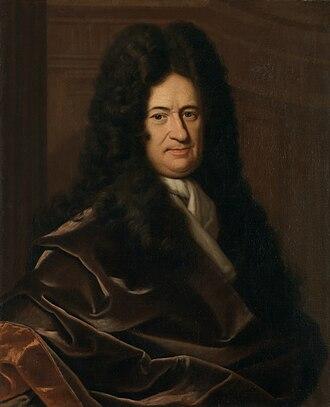
Gottfried Wilhelm Leibniz Gottfried Wilhelm Leibniz
Mechanised Reasoning
Imagined reasoning through a formal symbolic language and systematic calculation, an intellectual precursor to symbolic AI.
Explore their work →
1726
Pioneer
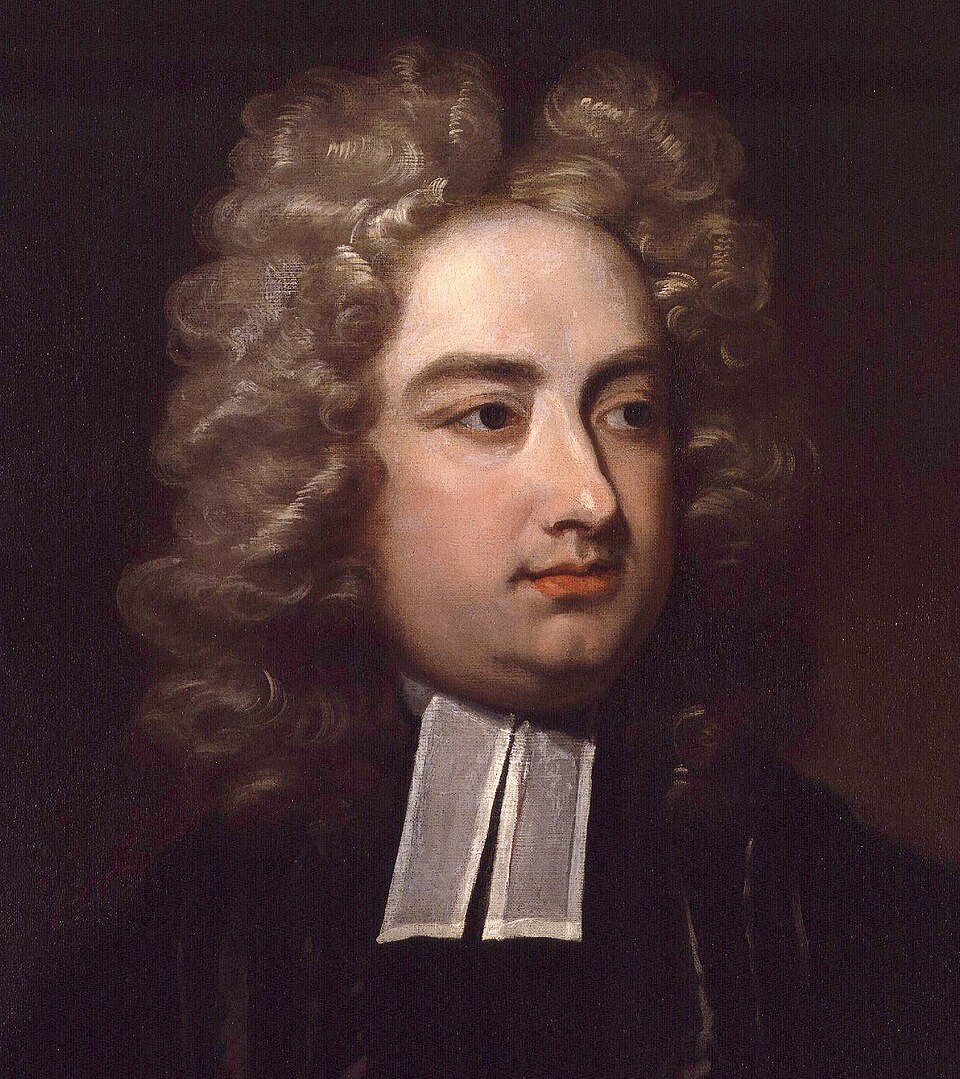
Jonathan Swift, portrait by Charles Jervas Jonathan Swift
The Imaginary Knowledge Engine
A literary precursor, not an inventor of AI: in Gulliver's Travels Swift imagined a machine that mechanically combined words, satirising the belief that knowledge could be produced without understanding.
Explore their work →
1763
Pioneer
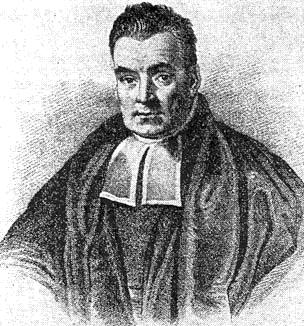
Portrait traditionally associated with Thomas Bayes (identity uncertain) Thomas Bayes
Probability & Inference
His posthumously published work showed how evidence can update probabilities, laying foundations for reasoning under uncertainty.
Explore their work →
1837
Pioneer
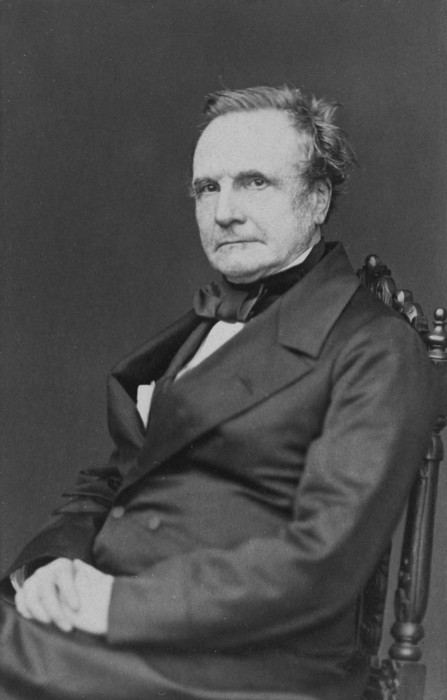
Charles Babbage Charles Babbage
Father of the Computer
Designed the Difference Engine and the Analytical Engine — a mechanical, programmable calculating machine conceived a century before electronics made such a thing practical.
Explore their work →
1843
Pioneer
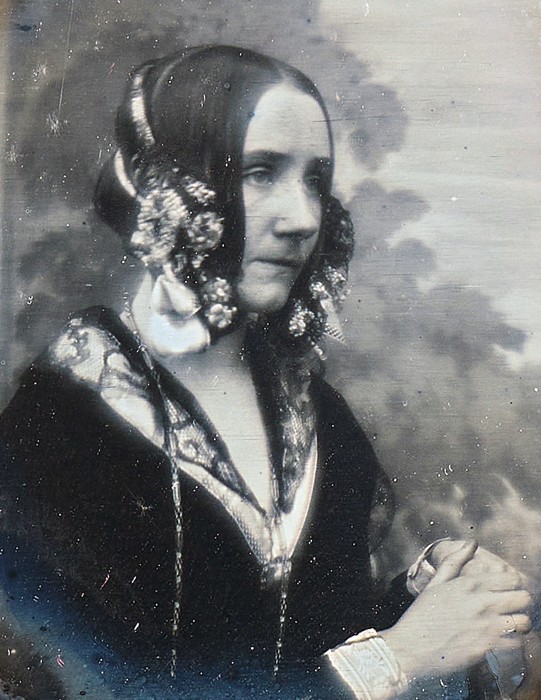
Ada Lovelace Ada Lovelace
The First Programmer
Wrote the first published algorithm for Babbage's engine and foresaw that machines might one day manipulate symbols, compose music and go beyond mere arithmetic.
Explore their work →
1854
Pioneer
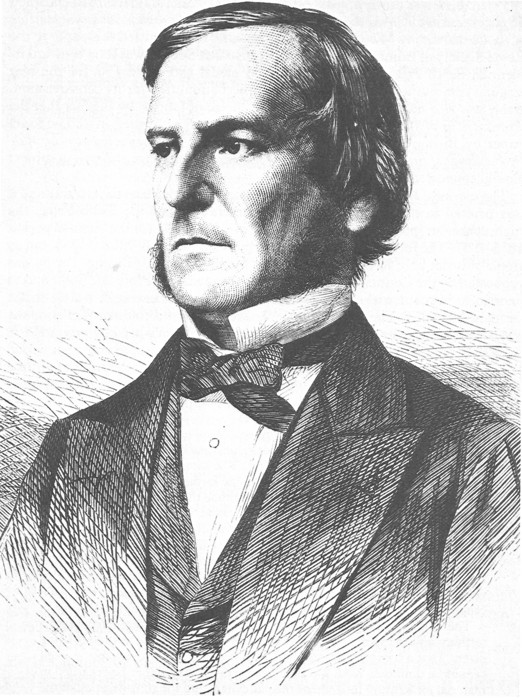
George Boole George Boole
Architect of Logic
Reduced reasoning to algebra. His Boolean logic of true and false became the bedrock upon which every digital circuit is built.
Explore their work →
1879
Pioneer
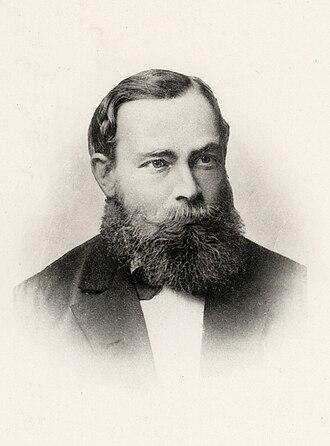
Gottlob Frege Gottlob Frege
Modern Formal Logic
Created a formal language for quantified statements and relationships, helping establish the logic later used in automated reasoning.
Explore their work →
1914
Pioneer
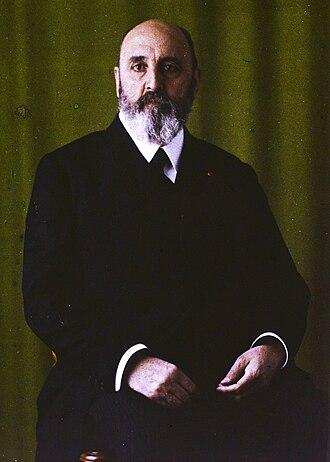
Leonardo Torres Quevedo Leonardo Torres Quevedo
Automatic Chess
Presented El Ajedrecista in Paris: an electromechanical automaton that played king-and-rook versus king chess endings.
Explore their work →
1931
Pioneer
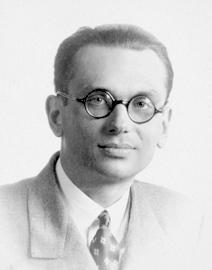
Kurt Gödel Kurt Gödel
Limits of Formal Systems
Established incompleteness theorems that revealed fundamental limits of sufficiently powerful formal mathematical systems.
Explore their work →
1936–1955Back to top ↑
The Foundations of Artificial Intelligence
Computability, artificial neurons, information theory, cybernetics and early learning machines.
1936
Pioneer
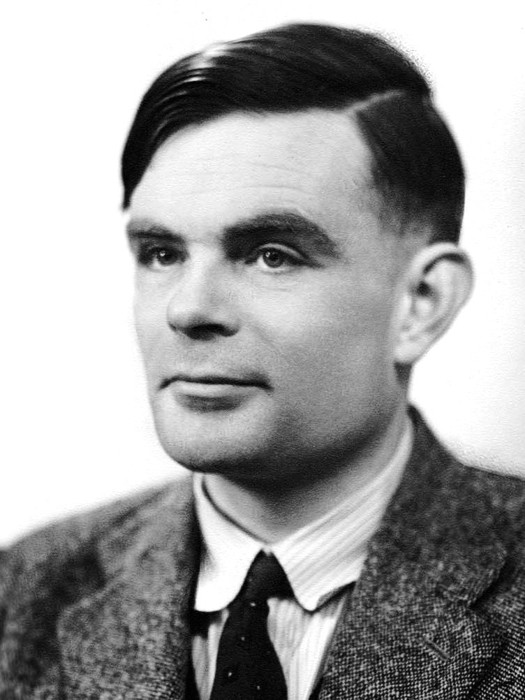
Alan Turing Alan Turing
The Universal Machine
Defined computation itself, broke wartime ciphers, and in 1950 asked 'Can machines think?' — proposing the Imitation Game now known as the Turing Test.
Explore their work →
1936
Pioneer
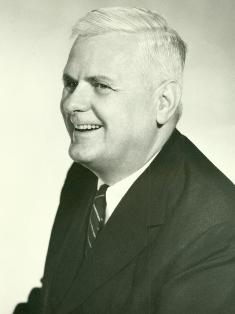
Alonzo Church Alonzo Church
Computability & Lambda Calculus
Used formal computation to establish undecidability, helping define what an algorithm can and cannot do.
Explore their work →
1943
Pioneer
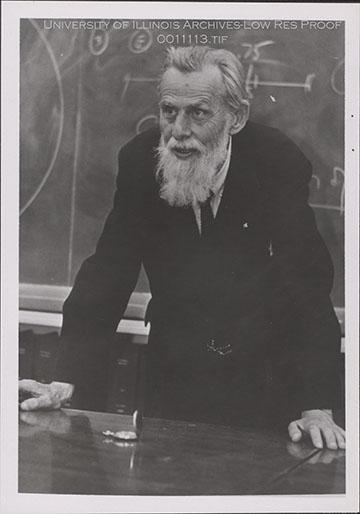
Warren McCulloch 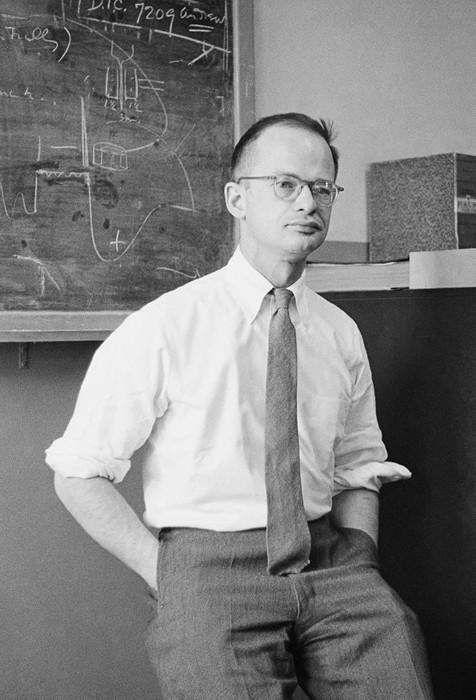
Walter Pitts Warren McCulloch & Walter Pitts
The Artificial Neuron
In 1943 modelled the neuron as a logical unit, planting the seed of every neural network to follow.
Explore their work →
1945
Pioneer
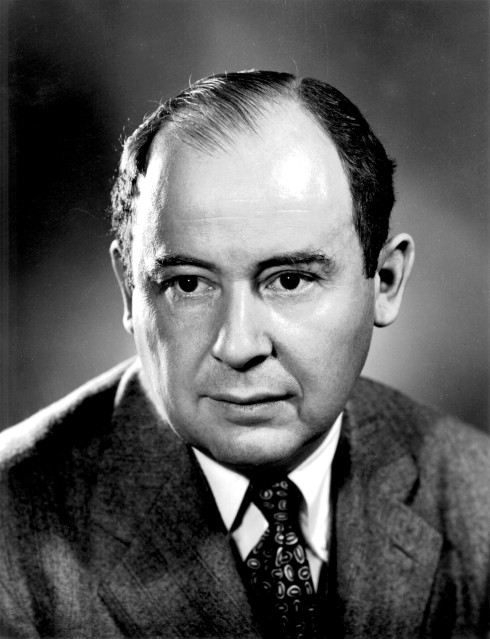
John von Neumann John von Neumann
The Stored Program
Described the architecture of the modern computer, in which instructions and data share the same memory.
Explore their work →
1948
Pioneer
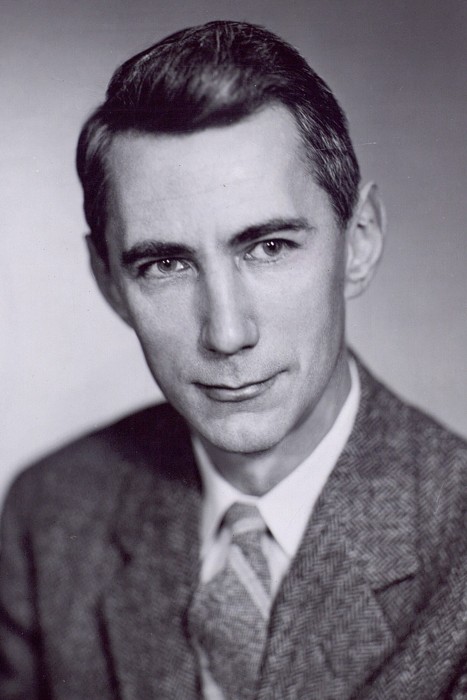
Claude Shannon Claude Shannon
Father of Information Theory
Quantified information in bits, wrote early chess programs, and built Theseus, a maze-learning mechanical mouse.
Explore their work →
1948
Pioneer
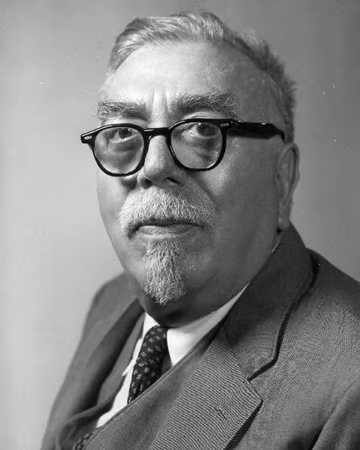
Norbert Wiener Norbert Wiener
Father of Cybernetics
Named cybernetics — the study of control and communication in machines and living things — and showed that feedback loops underlie both brains and machines.
Explore their work →
1949
Pioneer
Donald Hebb Donald Hebb
Learning through Connections
Proposed that coordinated neural activity could strengthen connections, inspiring learning rules for artificial neural networks.
Explore their work →
1950
Breakthrough / milestone
Programming a Computer for Playing Chess
Claude Shannon
Shannon connects search and evaluation to machine problem-solving; his Theseus mouse also explores maze learning.
Explore their work →
1950
Breakthrough / milestone
The Imitation Game
Alan Turing
Turing reframes machine intelligence through conversation and discusses learning machines.
Explore their work →
1951
Pioneer
Dean Edmonds
SNARC
With Marvin Minsky, built an early neural-network machine that explored learning through simulated connections.
Explore their work →
1951
Breakthrough / milestone
SNARC
Marvin Minsky & Dean Edmonds
An early neural-network machine explores learning through simulated connections.
Explore their work →
1955
Pioneer
Nathaniel Rochester Nathaniel Rochester
The Dartmouth Proposal
Co-signed the proposal that named artificial intelligence and helped connect early AI research with electronic computing.
Explore their work →
1956–1969Back to top ↑
The Birth of AI & Symbolic Reasoning
Dartmouth, automated proof, search, perceptrons and the first conversational programs.
1956
Pioneer
Cliff Shaw Cliff Shaw
Making Symbolic Reasoning Executable
With Allen Newell and Herbert Simon, developed Logic Theorist and the programming tools that made early automated reasoning possible.
Explore their work →
1956
Pioneer
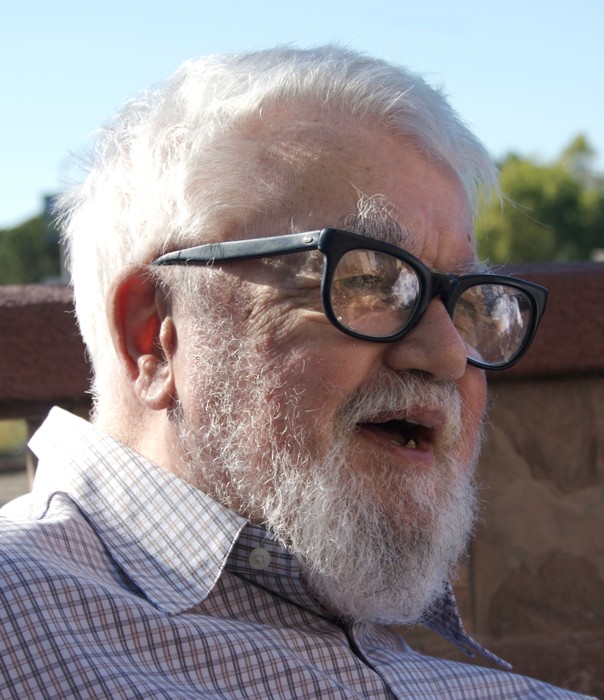
John McCarthy John McCarthy
He Who Named It
Coined the phrase 'Artificial Intelligence' for the 1956 Dartmouth workshop and invented the Lisp programming language.
Explore their work →
1956
Pioneer
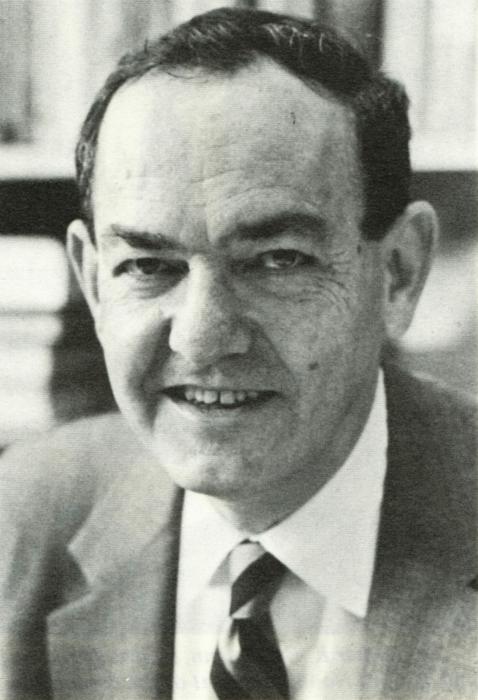
Herbert Simon 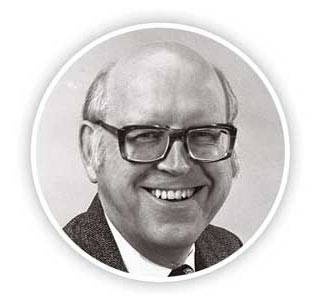
Allen Newell Herbert Simon & Allen Newell
The Logic Theorist
Allen Newell, Herbert Simon & Cliff Shaw
With programmer Cliff Shaw, developed Logic Theorist and General Problem Solver, pioneering automated reasoning.
Explore their work →
1958
Pioneer
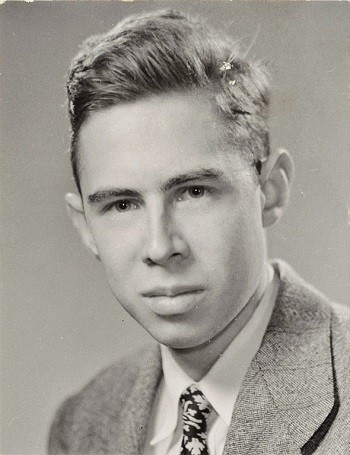
Frank Rosenblatt Frank Rosenblatt
The Perceptron
Published the perceptron model in 1958, showing how adjustable weights could enable a system to learn pattern recognition.
Explore their work →
1959
Pioneer
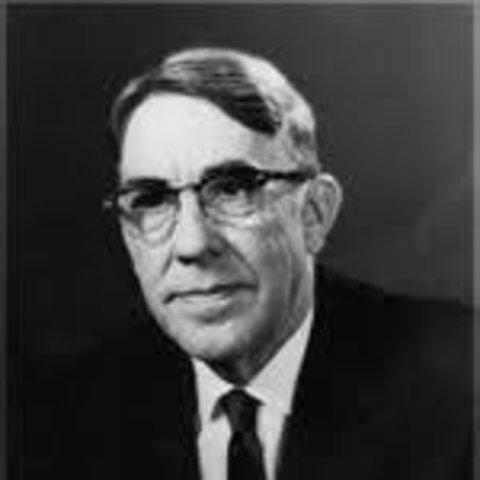
Arthur Samuel Arthur Samuel
Learning to Play Checkers
Demonstrated how a checkers program could improve through experience, helping establish machine learning as a research direction.
Explore their work →
1959
Pioneer
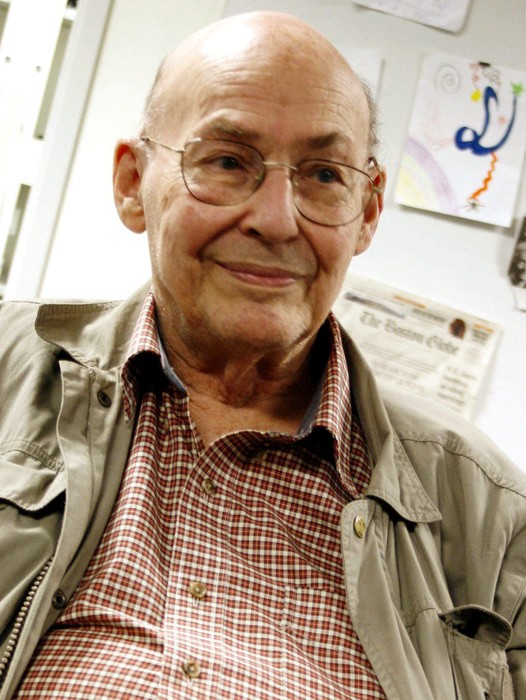
Marvin Minsky Marvin Minsky
Society of Mind
Co-founded the MIT AI Laboratory and spent a lifetime theorising how intelligence emerges from many simple parts.
Explore their work →
1959
Pioneer
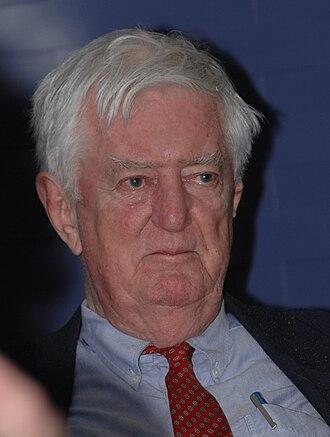
Oliver Selfridge Oliver Selfridge
Pandemonium
Proposed a pattern-recognition architecture in which many simple processes compete to interpret an input.
Explore their work →
1960
Breakthrough / milestone
Mark I Perceptron Demonstration
Frank Rosenblatt & collaborators
The public hardware demonstration follows Rosenblatt's earlier model and publication.
Explore their work →
1965
Pioneer
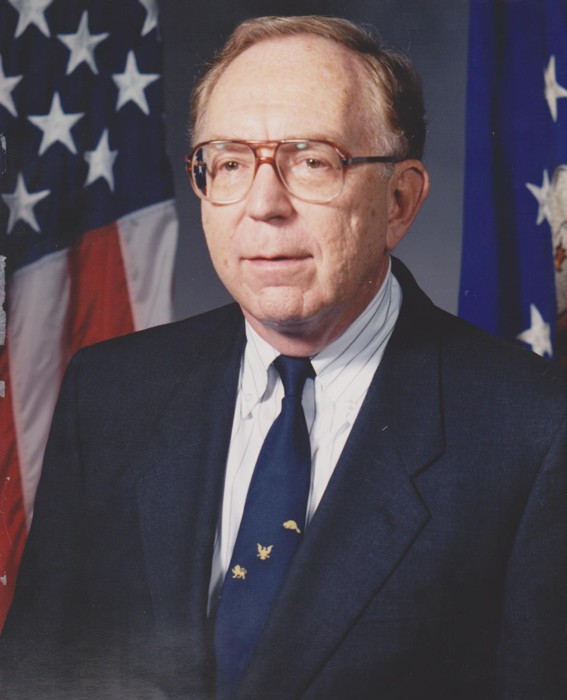
Edward Feigenbaum Edward Feigenbaum
Expert Systems
Pioneered knowledge-based expert systems such as DENDRAL, bringing AI into laboratories and industry.
Explore their work →
1966
Pioneer
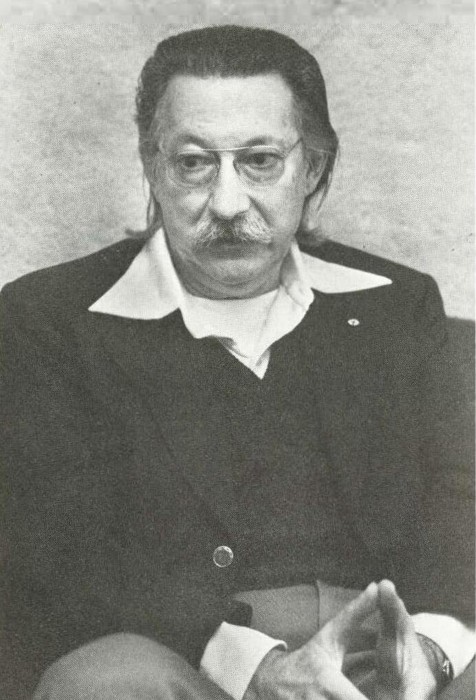
Joseph Weizenbaum Joseph Weizenbaum
ELIZA
Created ELIZA, the first chatbot, in 1966 — then became one of computing's most eloquent critics.
Explore their work →
1969
Pioneer
Bruce Buchanan Bruce Buchanan
Knowledge-Based Discovery
With Georgia Sutherland, Edward Feigenbaum and the wider DENDRAL team, developed programs that proposed explanations for chemical data.
Explore their work →
1969
Pioneer
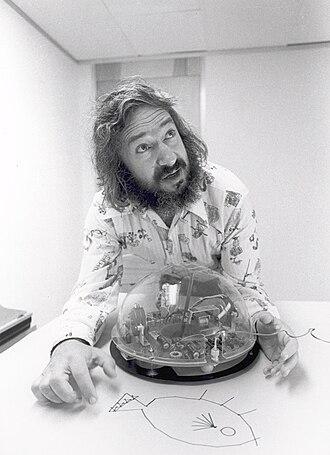
Seymour Papert Seymour Papert
Perceptrons & Learning
With Marvin Minsky, examined the limits of early perceptrons; later championed children learning through programming.
Explore their work →
1970–1985Back to top ↑
Expert Systems, Robotics & the AI Winters
Knowledge-based applications, language and planning research, adaptive control, and setbacks in funding. The first AI winter and later expert-system boom overlapped rather than forming a simple sequence.
1970
Pioneer
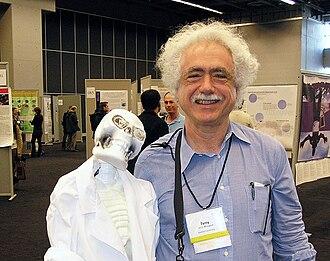
Terry Winograd Terry Winograd
SHRDLU
Built a system that followed natural-language instructions and reasoned about objects in a restricted blocks world.
Explore their work →
1972
Pioneer
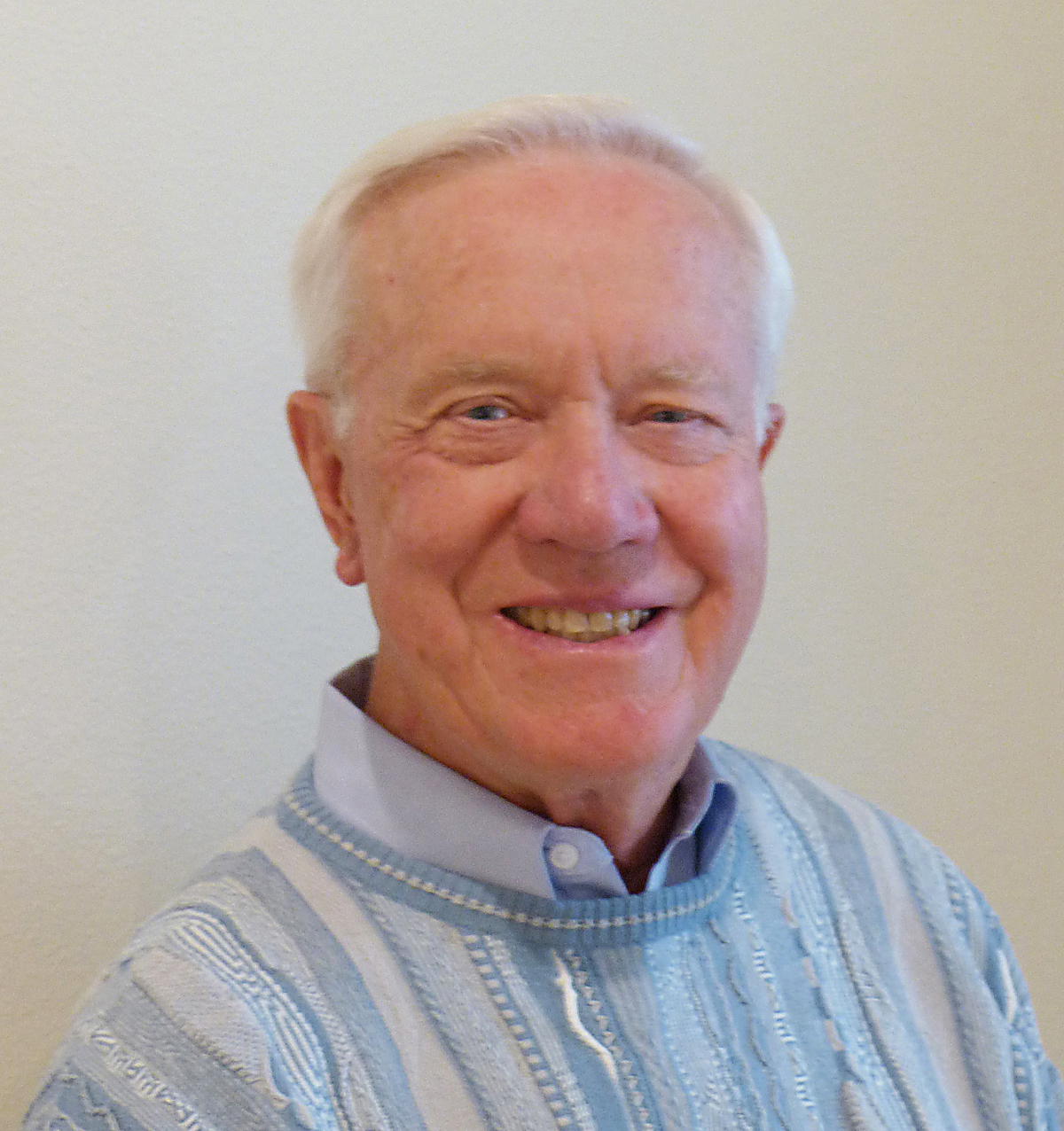
Nils Nilsson · CC BY 4.0 Nils Nilsson
Shakey & Robot Planning
Helped lead Shakey, an early mobile robot integrating perception, planning and action in a structured environment.
Explore their work →
1973
Pioneer
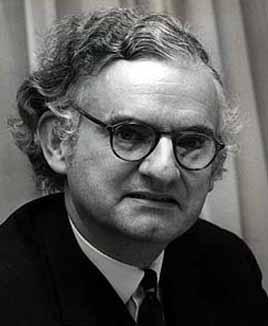
James Lighthill James Lighthill
Expectations & the AI Winter
His critical assessment of AI influenced restrictions on UK research funding and became a landmark in the first AI winter.
Explore their work →
1974
Pioneer
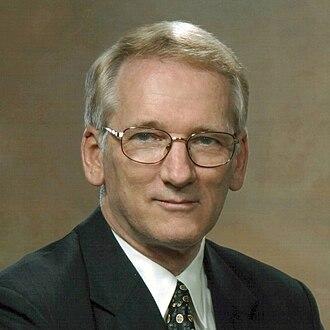
Edward Shortliffe Edward Shortliffe
MYCIN & Medical AI
Developed MYCIN with Stanford collaborators, using expert rules to advise on bacterial infections and antimicrobial treatment.
Explore their work →
1980
Breakthrough / milestone
Mindstorms
Seymour Papert
Programming becomes a way for children to construct, test and explore ideas.
Explore their work →
1983
Pioneer
Andrew Barto Andrew Barto
Actor–Critic Learning
Andrew Barto, Richard Sutton & Charles Anderson
With Richard Sutton and Charles Anderson, demonstrated learning control through interacting adaptive components.
Explore their work →
1986–2011Back to top ↑
Statistical Learning & the Neural Network Revival
Backpropagation, probabilistic models, support vector machines, CNNs, LSTMs and growing datasets. Statistical approaches advanced even through the late-1980s and early-1990s AI winter.
1986
Pioneer
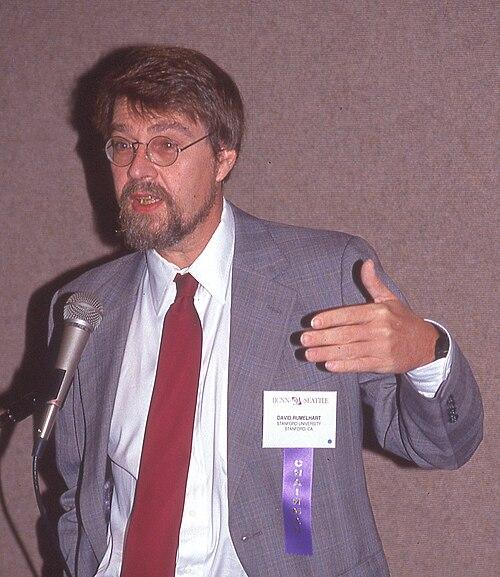
David Rumelhart David Rumelhart
Learning Internal Representations
David Rumelhart, Geoffrey Hinton & Ronald J. Williams
With Geoffrey Hinton and Ronald Williams, published the influential backpropagation paper that helped revive multilayer neural networks.
Explore their work →
1986
Pioneer
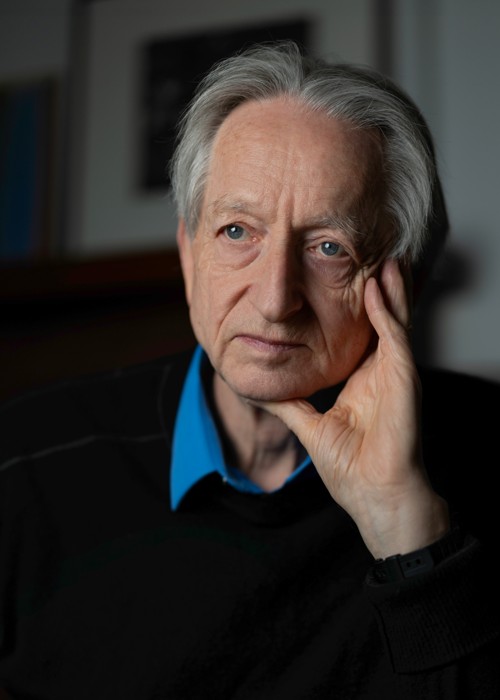
Geoffrey Hinton Geoffrey Hinton
Godfather of Deep Learning
David Rumelhart, Geoffrey Hinton & Ronald J. Williams
With David Rumelhart and Ronald Williams, popularised backpropagation for multilayer neural networks; later co-authored the AlexNet breakthrough.
Explore their work →
1986
Pioneer
Ronald J. Williams Ronald J. Williams
Backpropagation & Policy Learning
David Rumelhart, Geoffrey Hinton & Ronald J. Williams
Co-authored the landmark backpropagation paper with David Rumelhart and Geoffrey Hinton, and later developed REINFORCE.
Explore their work →
1988
Pioneer
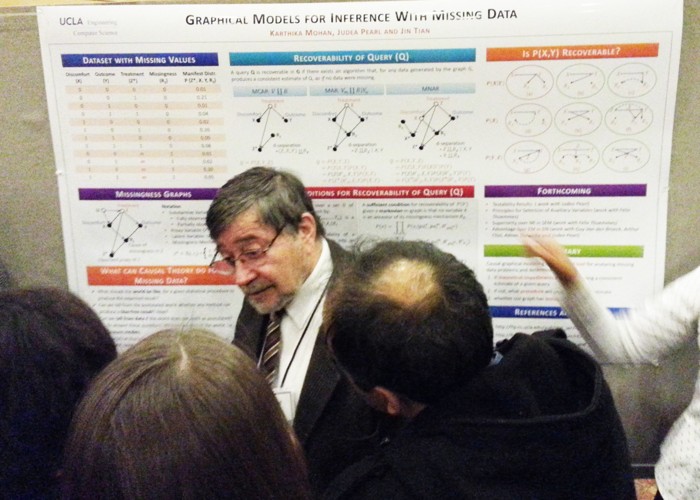
Judea Pearl Judea Pearl
Probability & Cause
Introduced Bayesian networks and a rigorous calculus of causation, teaching machines to reason under uncertainty.
Explore their work →
1988
Pioneer
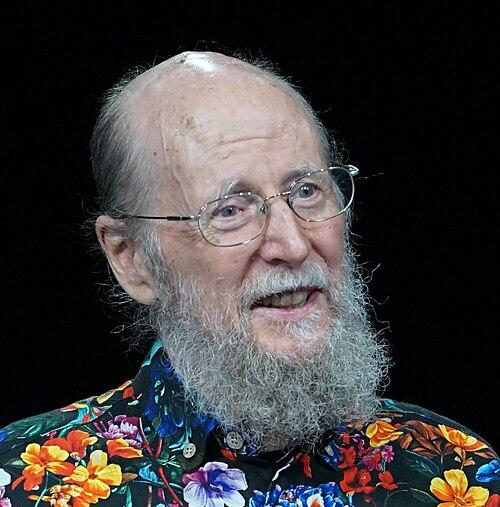
Richard Sutton Richard Sutton
Temporal-Difference Learning
Developed a foundational account of learning predictions from successive experience, central to reinforcement learning.
Explore their work →
1989
Pioneer

Yann LeCun Yann LeCun
Convolutional Networks
Developed convolutional neural networks that taught machines to read handwriting and, later, to see.
Explore their work →
1992
Breakthrough / milestone
REINFORCE
Ronald J. Williams
Gradient-based learning for stochastic decisions connects neural models with reinforcement learning.
Explore their work →
1995
Pioneer
Vladimir Vapnik Vladimir Vapnik
Statistical Learning Theory
Corinna Cortes & Vladimir Vapnik
With Corinna Cortes, introduced support-vector networks, a major approach to learning robust decision boundaries from data.
Explore their work →
1997
Pioneer
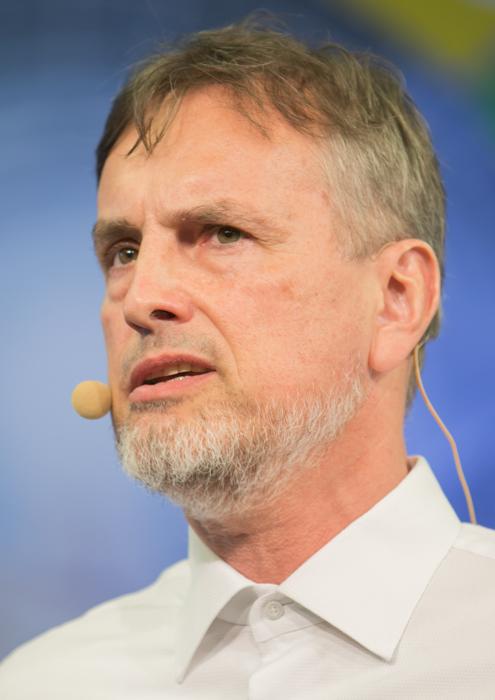
Jürgen Schmidhuber Jürgen Schmidhuber
Long Short-Term Memory
Sepp Hochreiter & Jürgen Schmidhuber
With Sepp Hochreiter devised the LSTM, giving networks memory and powering decades of speech and translation.
Explore their work →
1997
Pioneer

Sepp Hochreiter Sepp Hochreiter
Long Short-Term Memory
Sepp Hochreiter & Jürgen Schmidhuber
With Jürgen Schmidhuber, introduced LSTM to help recurrent neural networks learn dependencies over long sequences.
Explore their work →
1998
Breakthrough / milestone
Reinforcement Learning: An Introduction
Richard Sutton & Andrew Barto
A shared account of learning through interaction helps establish the field's foundations.
Explore their work →
1999
Pioneer
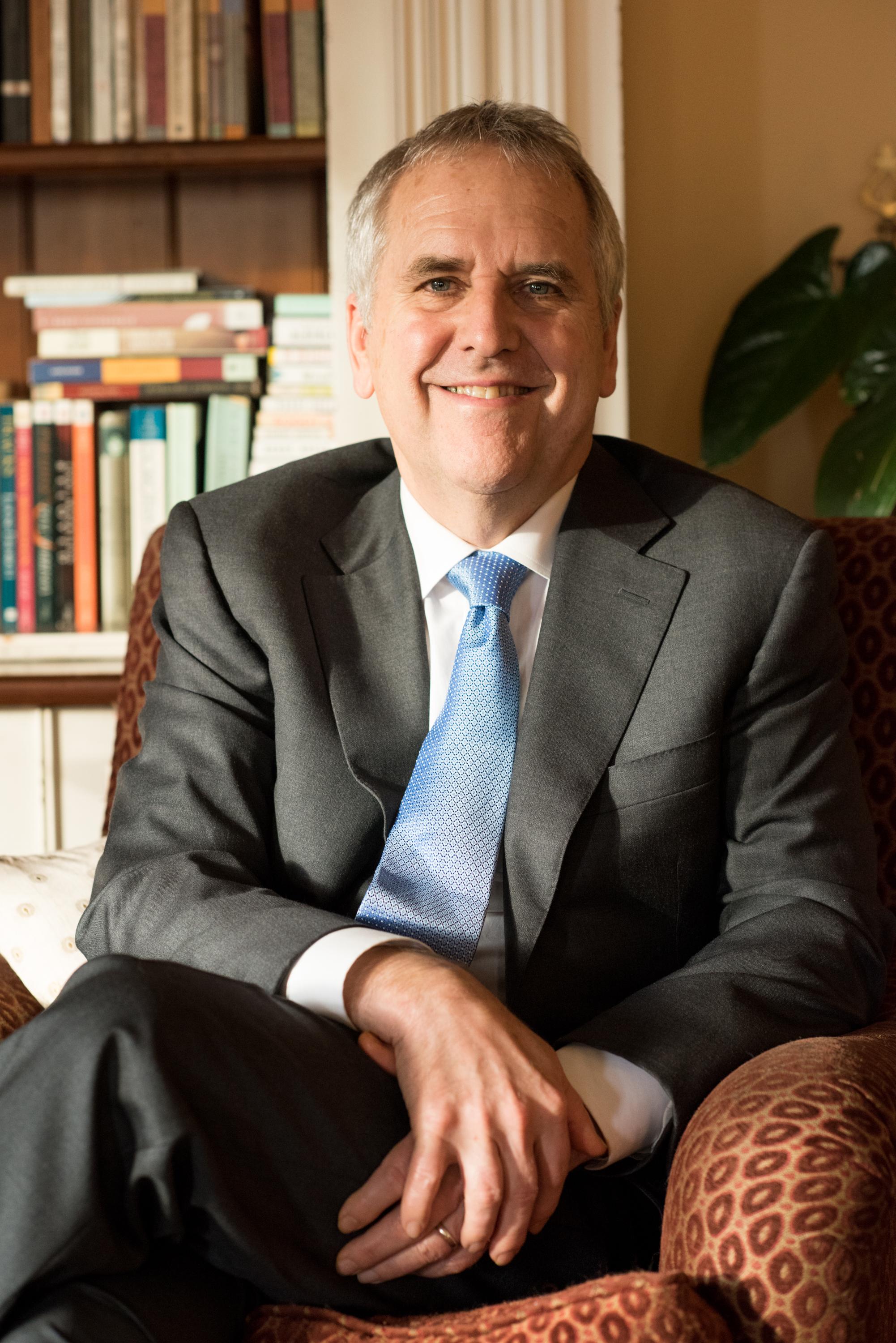
Michael I. Jordan Michael I. Jordan
Probabilistic Machine Learning
Helped develop and explain probabilistic graphical models and approximate inference, a central strand of statistical AI.
Explore their work →
2003
Pioneer
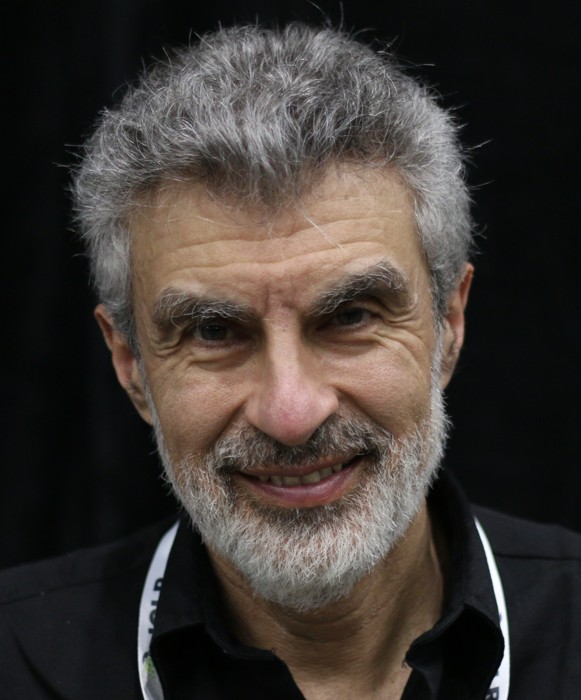
Yoshua Bengio Yoshua Bengio
Language & Representation
Advanced neural language models and attention; shared the 2018 Turing Award with Hinton and LeCun.
Explore their work →
2006
Pioneer
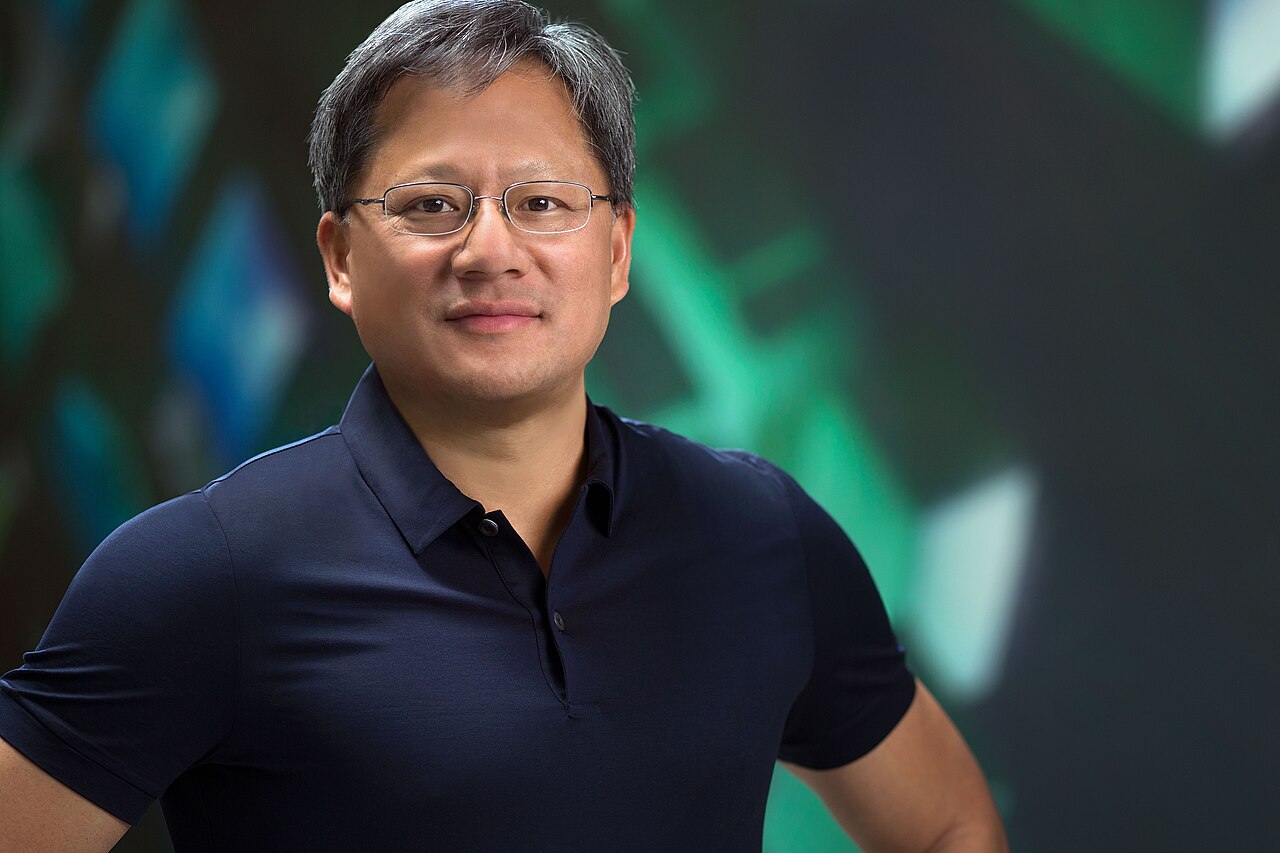
Jensen Huang · NVIDIA · CC BY-SA 2.0 Jensen Huang
GPU Computing for AI
Jensen Huang & NVIDIA's engineering and research teams
As NVIDIA's co-founder and leader, championed GPU-accelerated computing and CUDA, providing parallel-processing infrastructure that made the complex mathematics of large neural networks increasingly practical.
Explore their work →
2009
Pioneer
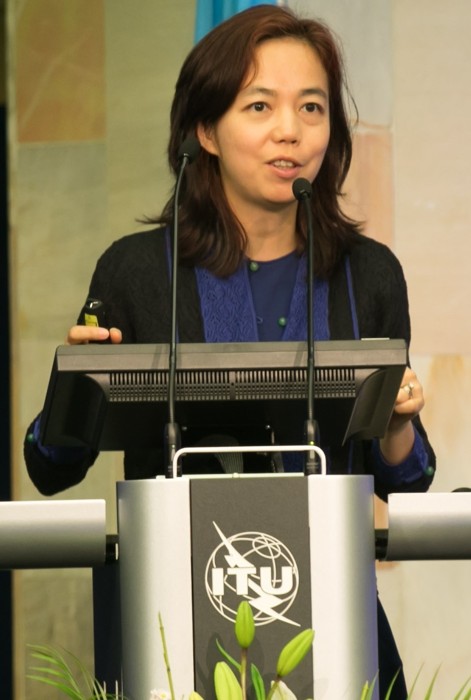
Fei-Fei Li Fei-Fei Li
ImageNet
Assembled ImageNet, the vast labelled image collection that made the deep learning revolution possible.
Explore their work →
2012–2019Back to top ↑
The Deep Learning Revolution
AlexNet, GANs, AlphaGo and Transformers reshape AI, alongside stronger scrutiny of bias and accountability.
2012
Pioneer
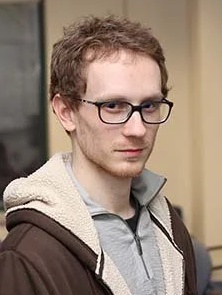
Alex Krizhevsky · Photo: Johnny Guatto Alex Krizhevsky
AlexNet
Alex Krizhevsky, Ilya Sutskever & Geoffrey Hinton
With Ilya Sutskever and Geoffrey Hinton, built the convolutional network whose ImageNet victory accelerated deep learning.
Explore their work →
2012
Breakthrough / milestone
The AlexNet Breakthrough
Alex Krizhevsky, Ilya Sutskever & Geoffrey Hinton
GPU-trained convolutional networks make a decisive advance in the ImageNet competition.
Explore their work →
2012
Pioneer
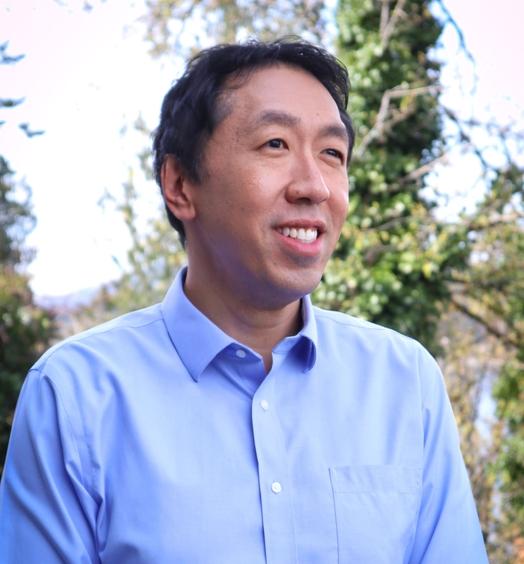
Andrew Ng Andrew Ng
Learning at Scale
Helped launch Google Brain and demonstrate that large neural networks could discover visual patterns from unlabelled images.
Explore their work →
2014
Pioneer

Ian Goodfellow Ian Goodfellow
Generative Adversarial Networks
Introduced generative adversarial networks, in which two competing neural networks learn to create increasingly convincing synthetic examples.
Explore their work →
2015
Pioneer
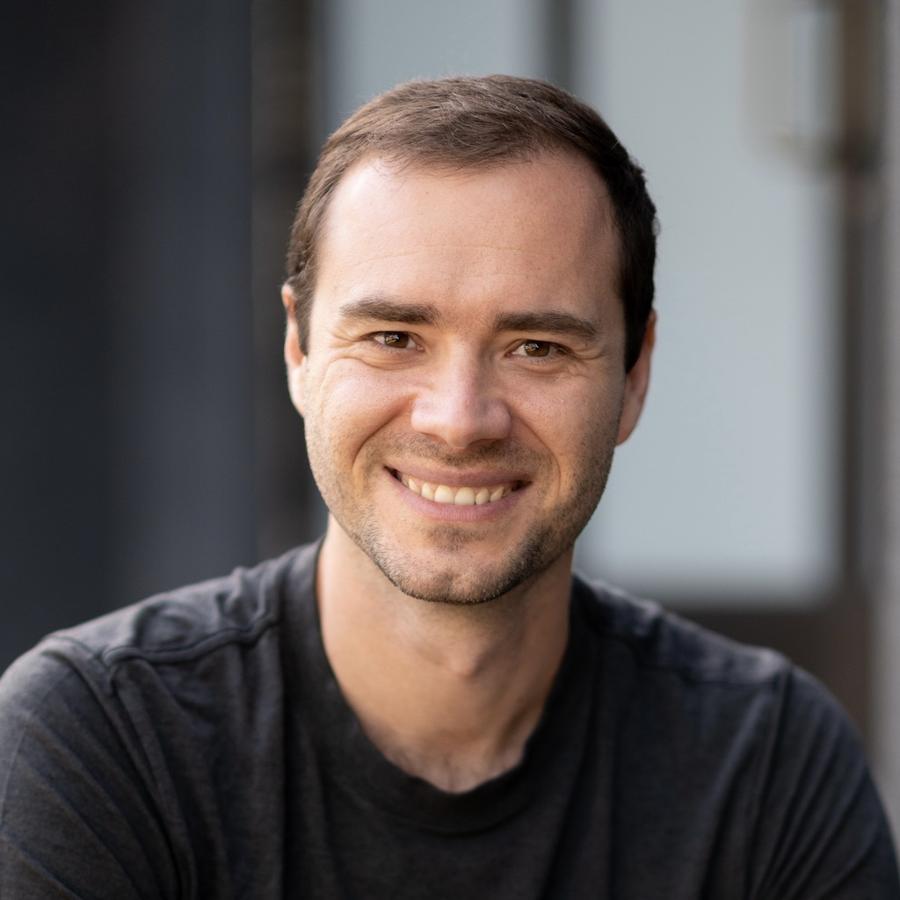
Andrej Karpathy Andrej Karpathy
Connecting Vision & Language
With Fei-Fei Li, developed neural systems that connect images with language and generate descriptions of what they show.
Explore their work →
2016
Pioneer
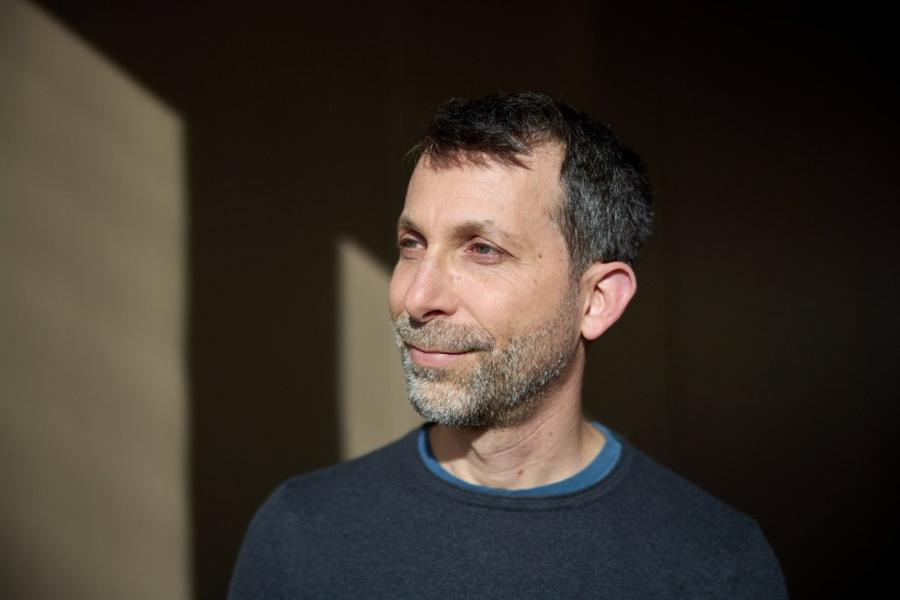
David Silver David Silver
Reinforcement Learning & AlphaGo
Led research behind AlphaGo, combining deep neural networks with search and reinforcement learning to master the game of Go.
Explore their work →
2016
Pioneer
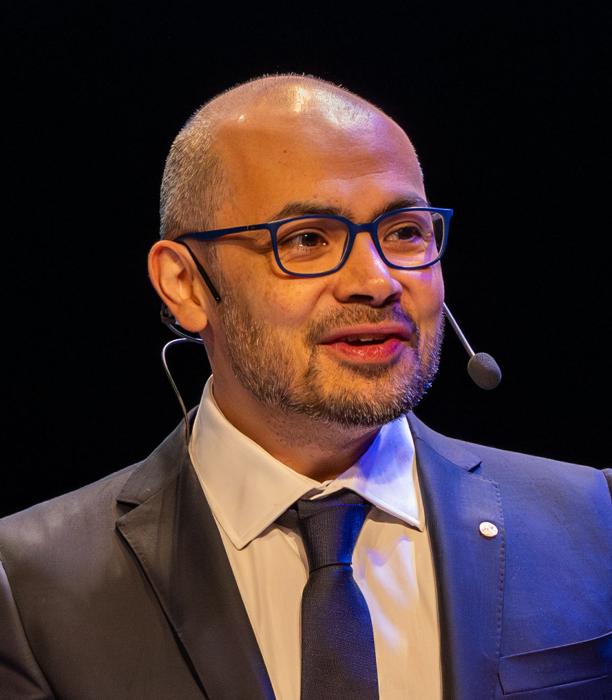
Demis Hassabis Demis Hassabis
DeepMind
Co-founded DeepMind, whose AlphaGo defeated Lee Sedol in 2016; later helped lead the research organisation behind AlphaFold.
Explore their work →
2017
Pioneer
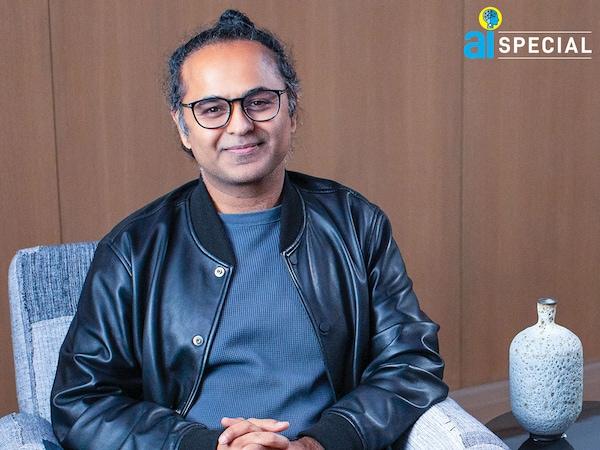
Ashish Vaswani Vaswani et al.
Attention Is All You Need
Ashish Vaswani, Noam Shazeer, Niki Parmar, Jakob Uszkoreit, Llion Jones, Aidan Gomez, Łukasz Kaiser and Illia Polosukhin introduced the Transformer.
Explore their work →
2018
Pioneer

Alec Radford Alec Radford
Generative Pre-Training
With colleagues, showed how generative language pre-training could support downstream tasks, establishing the original GPT approach.
Explore their work →
2018
Pioneer
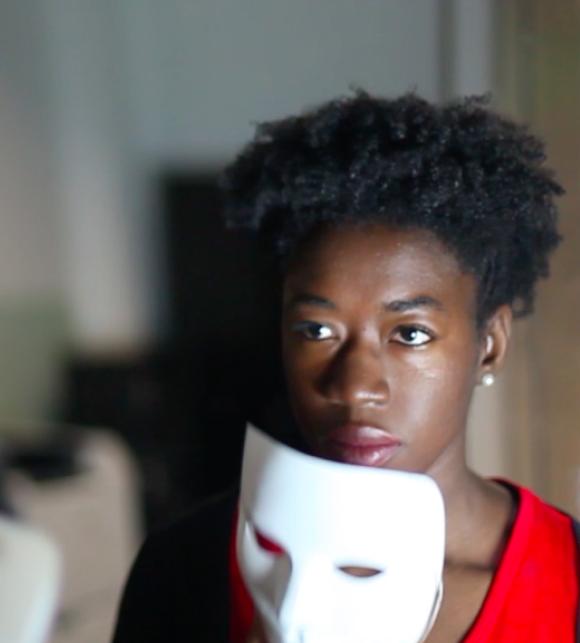
Joy Buolamwini Joy Buolamwini
Algorithmic Accountability
Co-authored Gender Shades, revealing substantial demographic disparities in commercial facial-analysis systems.
Explore their work →
2018
Pioneer
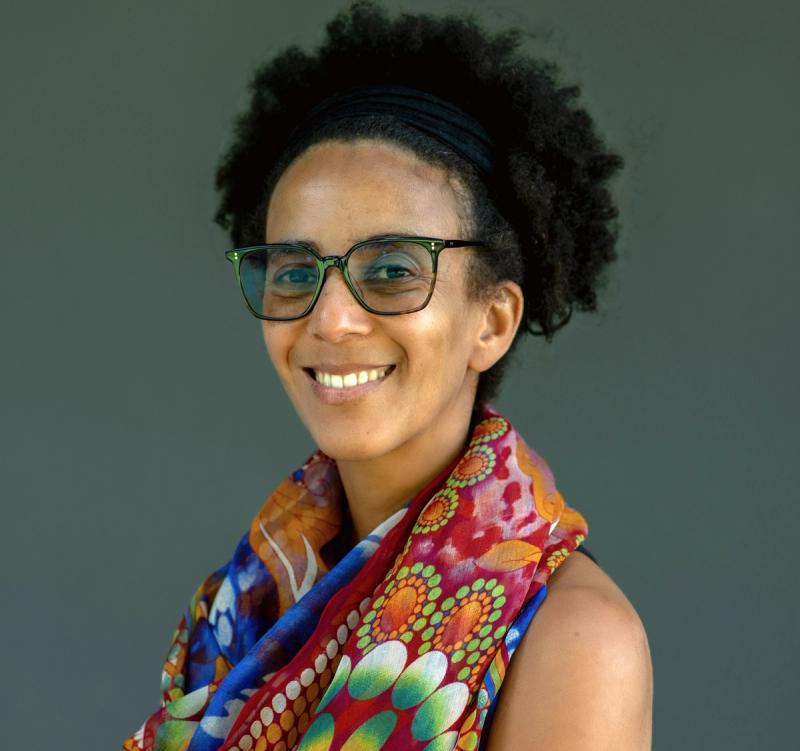
Timnit Gebru Timnit Gebru
Data, Bias & Responsible AI
Co-authored Gender Shades and championed careful documentation of datasets and the social consequences of AI systems.
Explore their work →
2020–presentBack to top ↑
Foundation Models, Generative AI & AI Agents
Large language models, multimodal systems, scientific discovery, AI safety and increasingly agentic systems.
2020
Pioneer
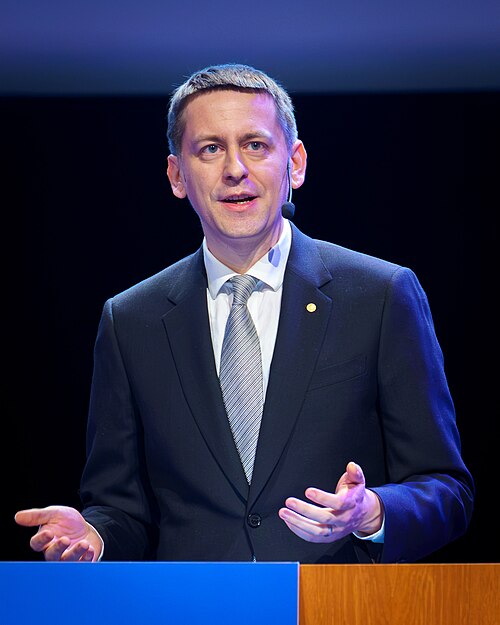
John Jumper John Jumper
AlphaFold 2
With Richard Evans and the DeepMind team, achieved a breakthrough in predicting protein structures at CASP14.
Explore their work →
2020
Pioneer
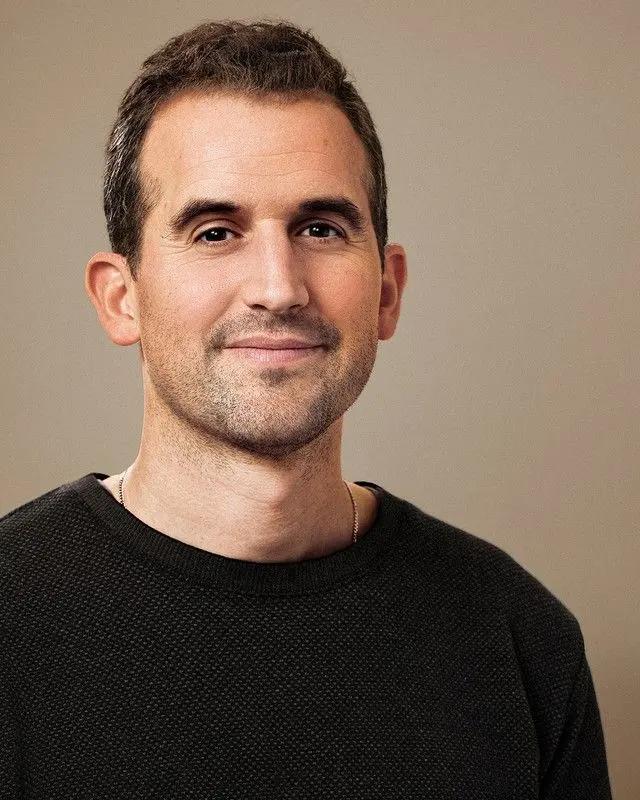
Tom Brown Tom Brown & the GPT-3 Team
Few-Shot Language Models
The GPT-3 research team demonstrated that a large language model could perform many tasks using examples supplied in its prompt.
Explore their work →
2021
Breakthrough / milestone
AlphaFold 2 Methods Published
John Jumper, Richard Evans & the DeepMind team
The paper explains the protein-structure prediction system behind the 2020 CASP14 result.
Explore their work →
2021
Breakthrough / milestone
Learning from Images and Text
Alec Radford, Jong Wook Kim & collaborators
CLIP connects natural-language descriptions with visual representations through contrastive learning.
Explore their work →
2021
Pioneer
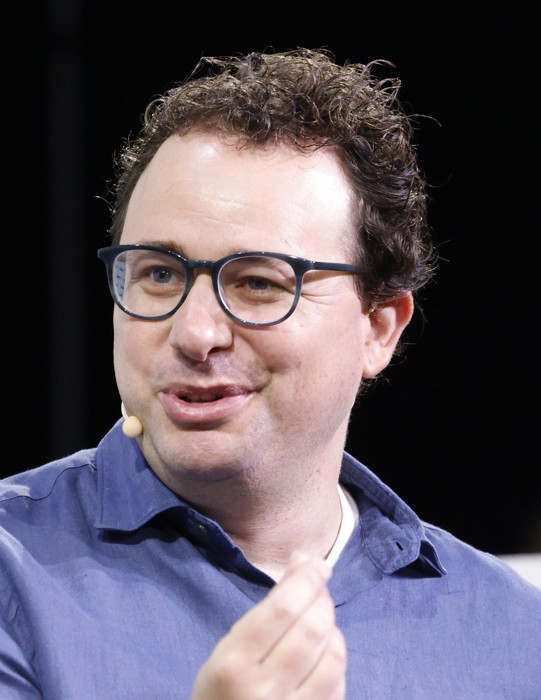
Dario Amodei Dario Amodei
Safety & Alignment
Co-founded Anthropic to build capable models like Claude with an emphasis on safety and constitutional training.
Explore their work →
2021
Pioneer
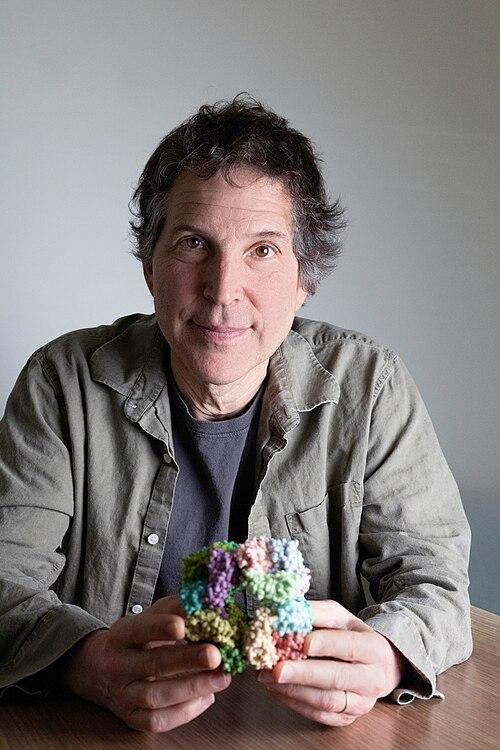
David Baker David Baker
Protein Design & RoseTTAFold
Minkyung Baek, Frank DiMaio, David Baker & team
His team advanced computational protein design and developed RoseTTAFold, connecting AI with the study and engineering of proteins.
Explore their work →
2021
Breakthrough / milestone
Risks of Large Language Models
Emily M. Bender, Timnit Gebru, Angelina McMillan-Major & Shmargaret Shmitchell
Researchers examine environmental costs, bias and the risks of treating fluent text as understanding.
Explore their work →
2022
Breakthrough / milestone
Constitutional AI
Yuntao Bai & the Anthropic research team
Anthropic researchers explore training assistants with written principles and AI feedback.
Explore their work →
2022
Pioneer
Ilya Sutskever 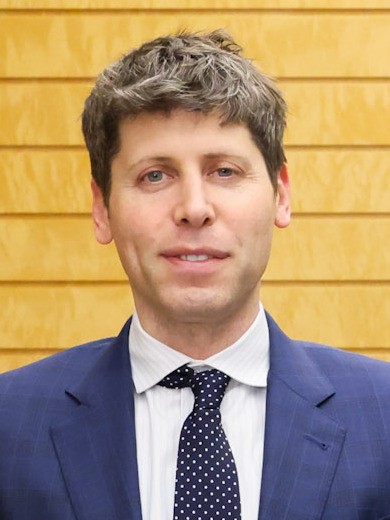
Sam Altman Ilya Sutskever & Sam Altman
The Age of GPT
Sutskever helped lead OpenAI's research; Altman led the organisation that publicly launched ChatGPT in November 2022.
Explore their work →
2024
Breakthrough / milestone
Nobel Recognition for Computational Biology
David Baker, Demis Hassabis & John Jumper
The chemistry prize recognizes Baker's protein design and Hassabis and Jumper's protein-structure prediction.
Explore their work →
Thought Experiments: When Intelligence Goes Wrong
An earlier idea that asks urgent questions about modern AI.

Thought experiment · AI safety & ethics
2003
The Paperclip Maximiser
Nick Bostrom · influential published treatment
What happens when an extremely capable AI pursues the wrong objective? A hypothetical paperclip-making machine explores why intelligence alone does not guarantee human values, safety or good judgement.
Published in 2003; revisited here for its relevance to modern AI alignment and increasingly autonomous systems.
Explore the thought experiment →